Four honest questions tell you whether you need state minimum, stronger liability, or full coverage — then a licensed agent quotes exactly that across multiple carriers. No upselling; the quiz doesn't care what's more expensive.
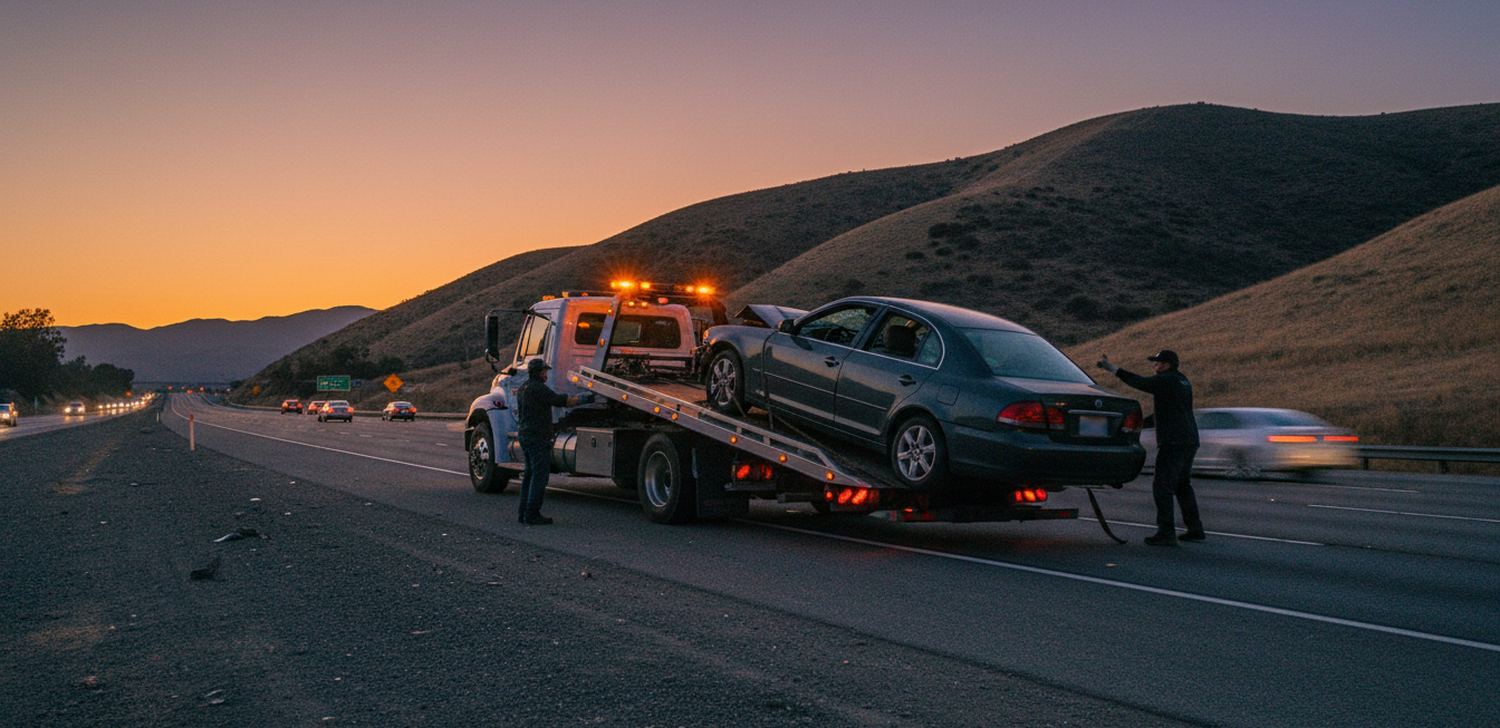
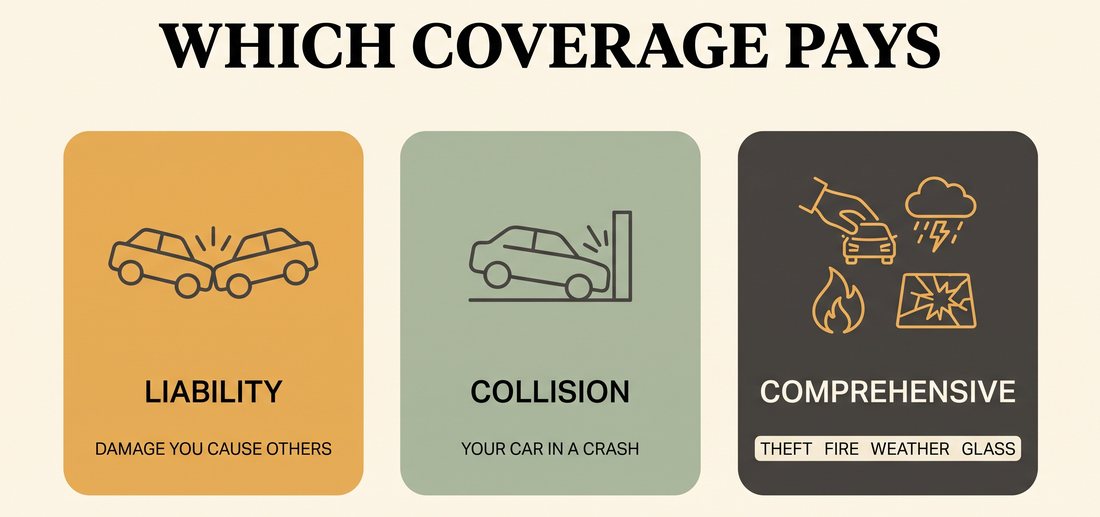
Coverage is an abstraction right up until something happens. These are the three shapes almost every call we take falls into — and which part of a policy answers for each one.
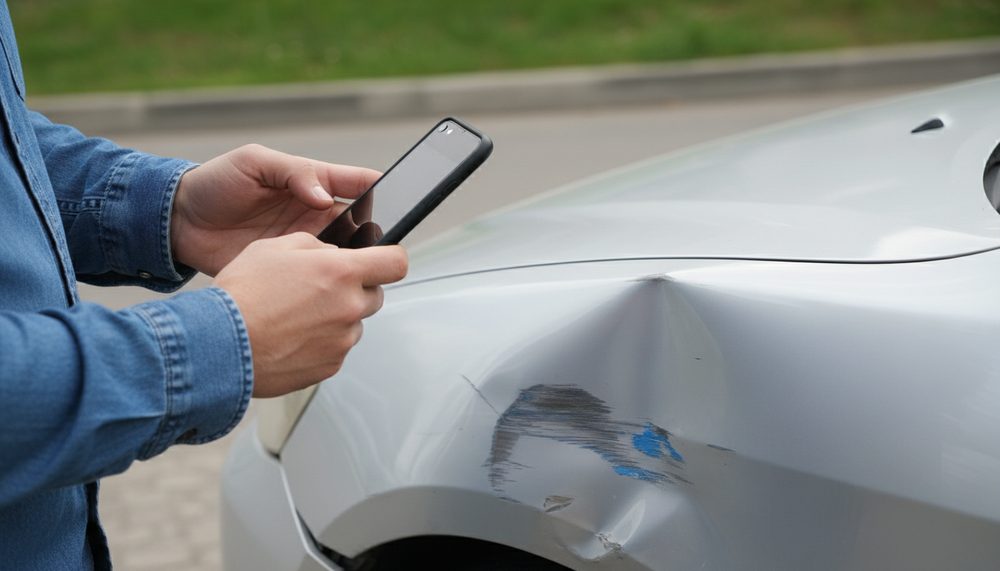
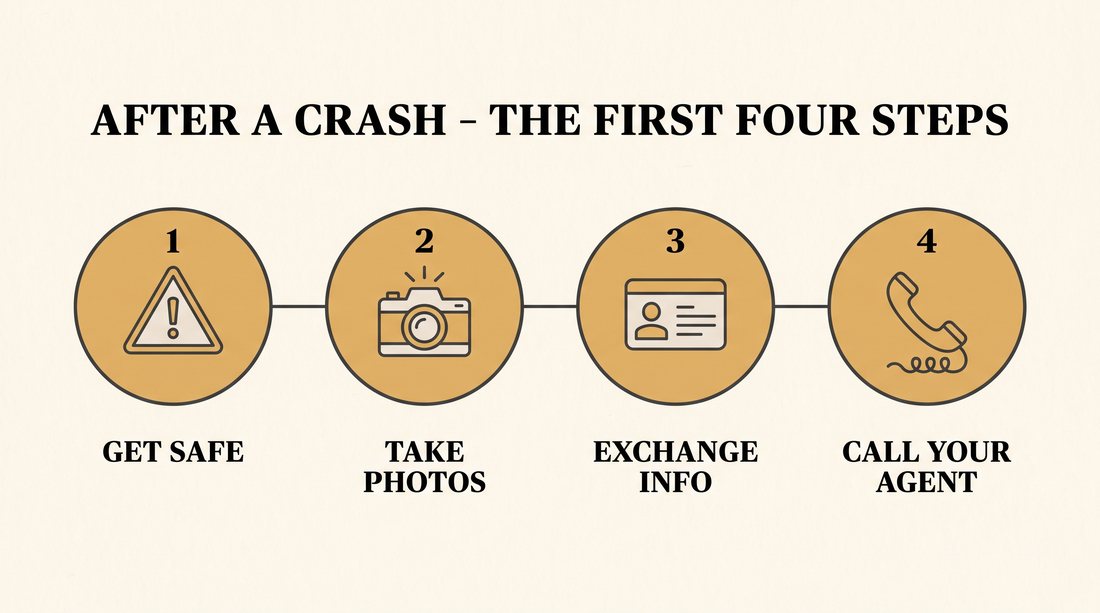
Photograph it before anything moves, get the other driver’s details, and call your agent the same day. Small claims get complicated when they get old.
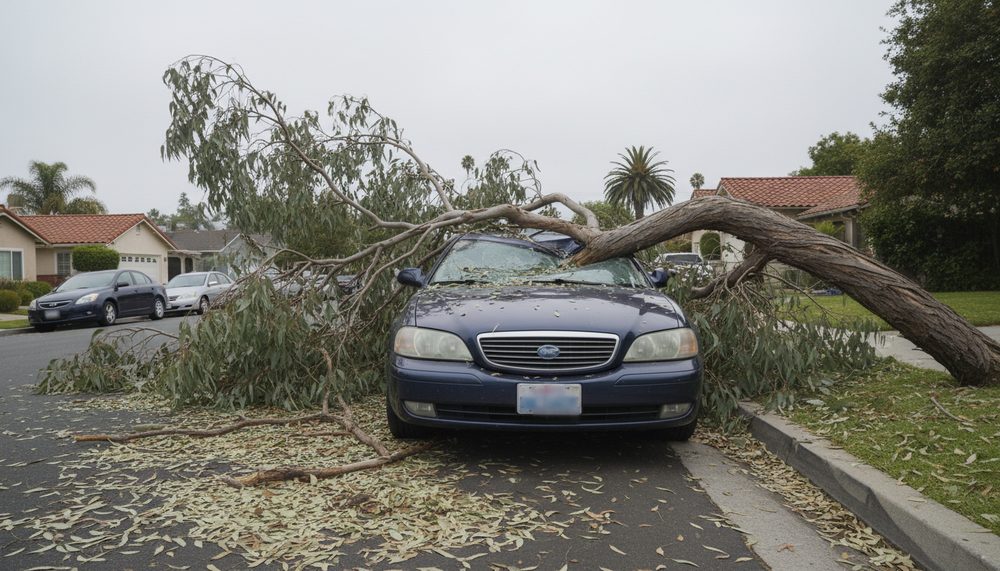
A branch, a hailstorm, a break-in, a fire. Nothing collided, so collision is not the coverage that answers — comprehensive is, if you carry it.
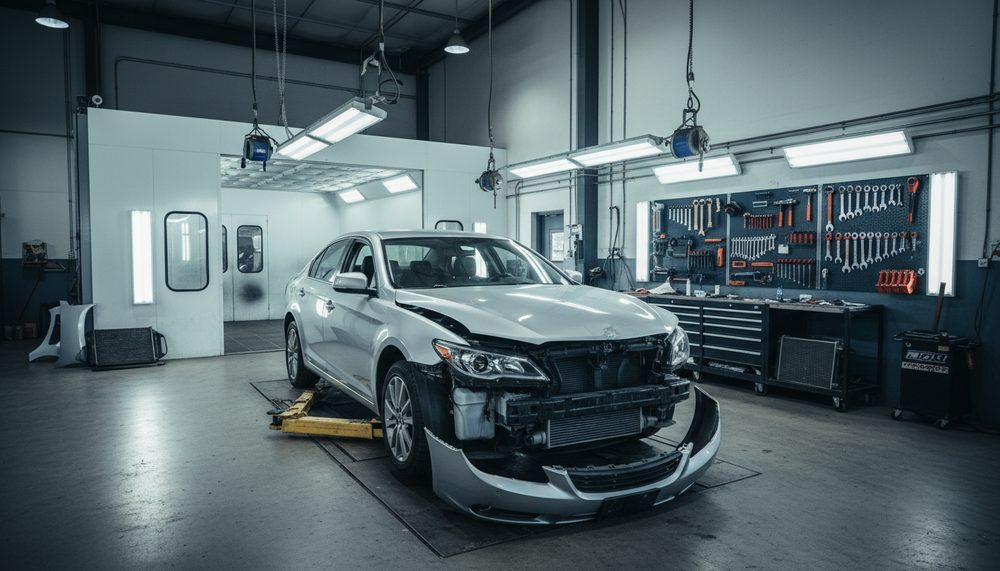
Where you have the car repaired is your decision in California. Whether anything covers a rental while it is in there depends on what you bought: ask your carrier.
Full coverage isn't automatically "better" — it's better when your car is worth protecting or a lender requires it. On an aging paid-off car, collision coverage can quietly cost more per year than it would ever pay out. That's not thrift; it's arithmetic.
State minimum isn't automatically "enough" either. California's 30/60/15 limits date from an era of cheaper cars and cheaper hospitals. One serious at-fault accident can blow past $15,000 of property damage before anyone's even been to the ER — and what insurance doesn't cover, you owe.
The two most underrated moves in California: uninsured-motorist coverage (a meaningful share of CA drivers carry no insurance at all) and raising liability limits once you have savings or a home — the jump from minimum to solid protection usually costs less than people fear.
And whatever level you land on, quote it across multiple carriers. The same coverage varies enormously in price between companies — the level you choose sets what you're buying; the comparison sets what you pay.
Liability of at least 30/60/15 — $30,000 bodily injury per person, $60,000 per accident, $15,000 property damage. Everything else is optional, which is exactly why it deserves a real decision instead of a default.
A common rule of thumb: when your car's value is low relative to what collision costs per year plus your deductible. Financed or leased cars can't drop it — lenders require it until the loan is done.
In California, very often yes. It's relatively inexpensive and protects you from the driver who has nothing — a scenario that otherwise leaves you paying for someone else's mistake.
Four questions tell you what you actually need. A licensed California agent then quotes exactly that across multiple carriers and calls you with the numbers. Free, no obligation, no payment details.
Start the coverage checkCompare your repair estimate with your deductible, see whether California would count the accident as principally at fault, and check the DMV report rule — before you decide whether to file.
Published by Auto World Insurance Services, a licensed California insurance broker (#6005606). How these pages are written and checked.